
Balai Opening & Exhibition
”re ~ spire”
Date: 8 – 14 December 2025
Venue: Balai RW 04 Ketandan, Surabaya, Indonesia
https://maps.app.goo.gl/GgSYoTsF4Ue5kW8EA
Co-host: Operations for Habitat Studies(OHS),
Universitas 17 Agustus 1949 (UNTAG) Surabaya,
Institut Teknologi Sepuluh Nopember (ITS),
Surabaya City
Support: Local companies, Local Communities, Art collectives (※See details below )

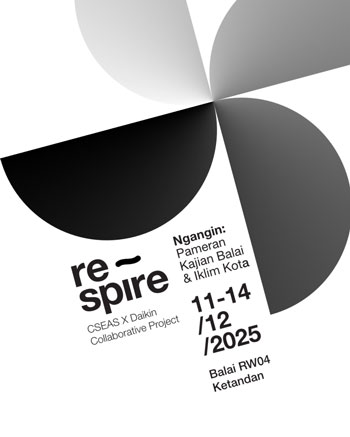
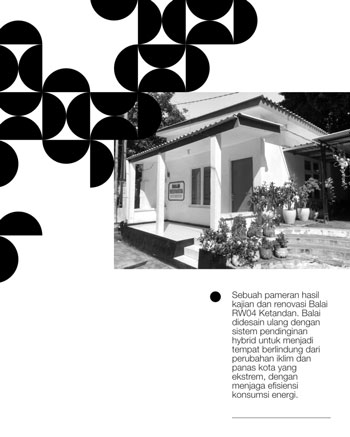
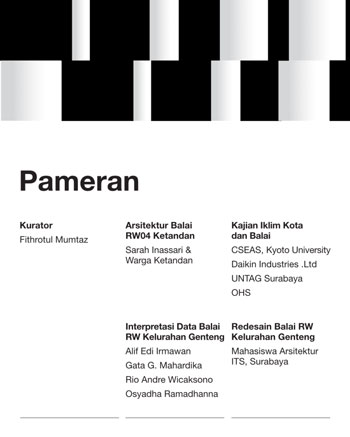
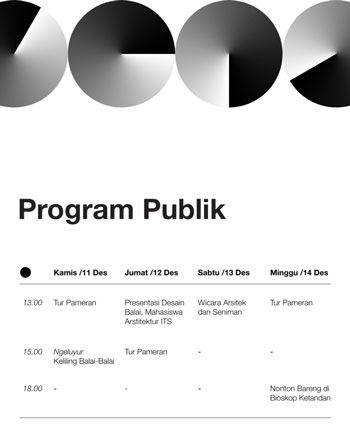
The “CSEAS x Daikin Joint Research” team, together with local partners, held an inauguration ceremony and exhibition week for the renovated Balai (local community hall) from December 8 to 14, 2025, in Surabaya, Indonesia.
       The team has been collaborating with local partners and residents in Kampung Ketandan, a community experiencing significant temperature increases due to climate change. The event focused on creating and promoting a new climate control culture that combines traditional local passive cooling technologies and wisdom with modern active cooling technologies such as air conditioning. The ceremony welcomed the Vice Governor of East Java and other distinguished guests. Attendees attentively listened to presentations by researchers, architects, and curators, and engaged in discussions with local residents.
        Moving forward, through continued collaboration among academia, industry, government, and local communities, we will keep developing and promoting new approaches rooted in regional culture and customs to address climate change.
― PROGRAM
DAY 1 Dec. 8 (Mon.)
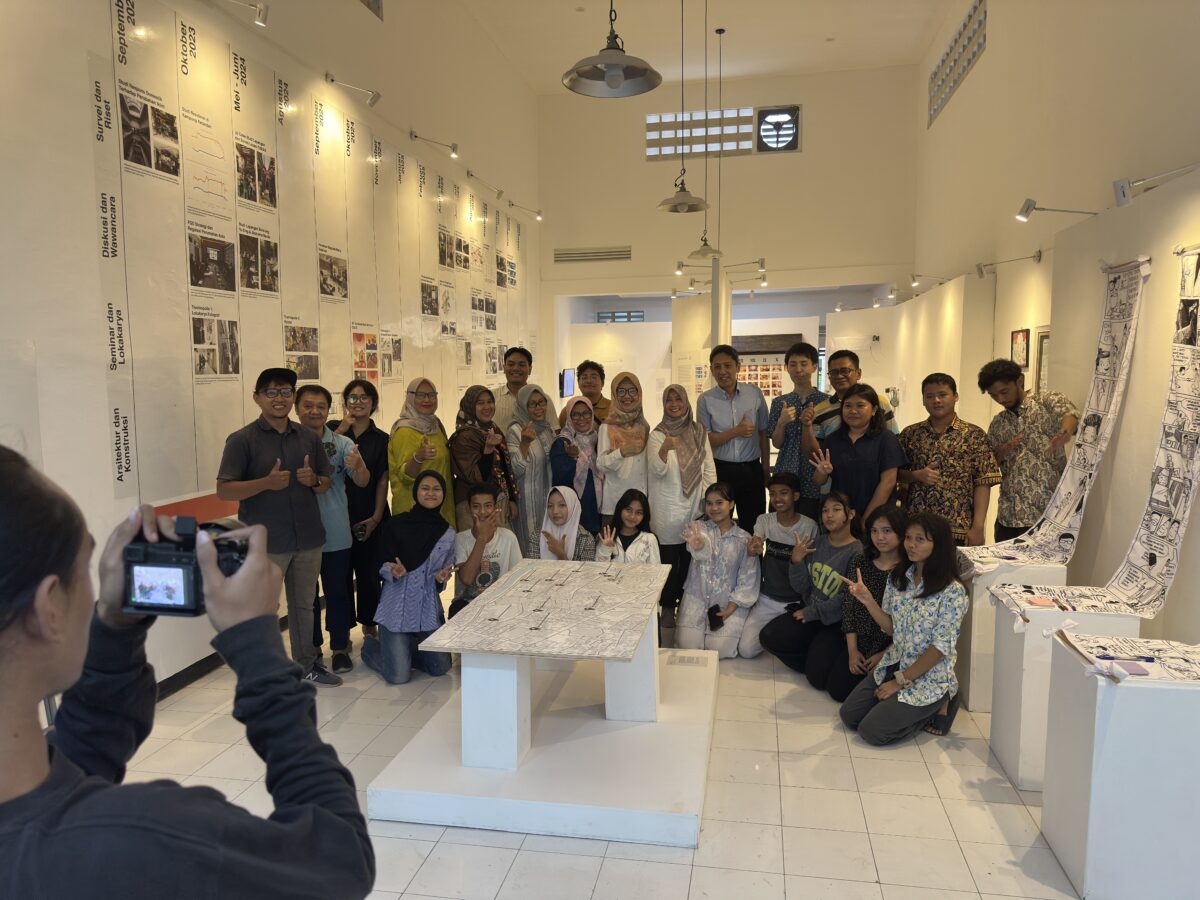
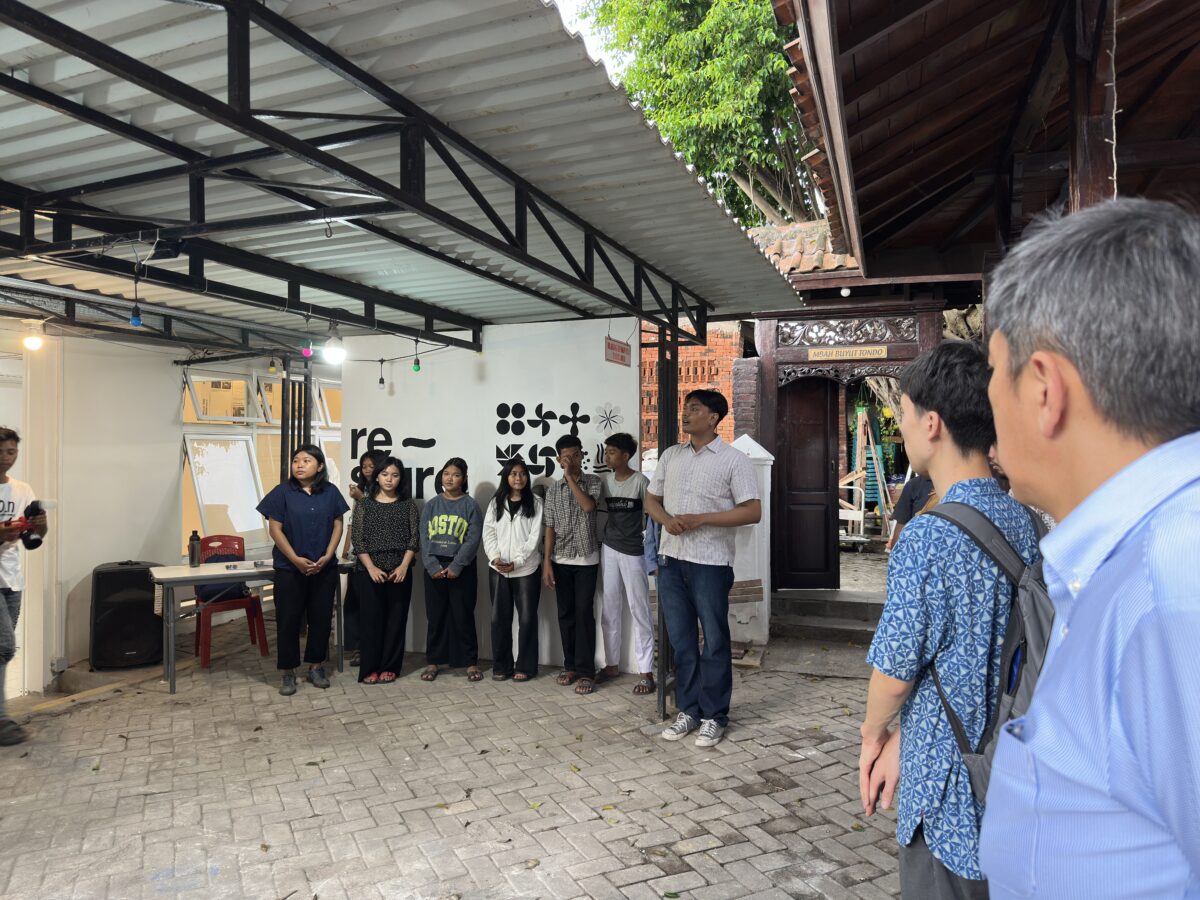
Introductory sessions for locals
Guest & Participants: Ketandan resident representatives & Balai users
Time schedule:
| 12:30–13:30 | Lunch Reception |
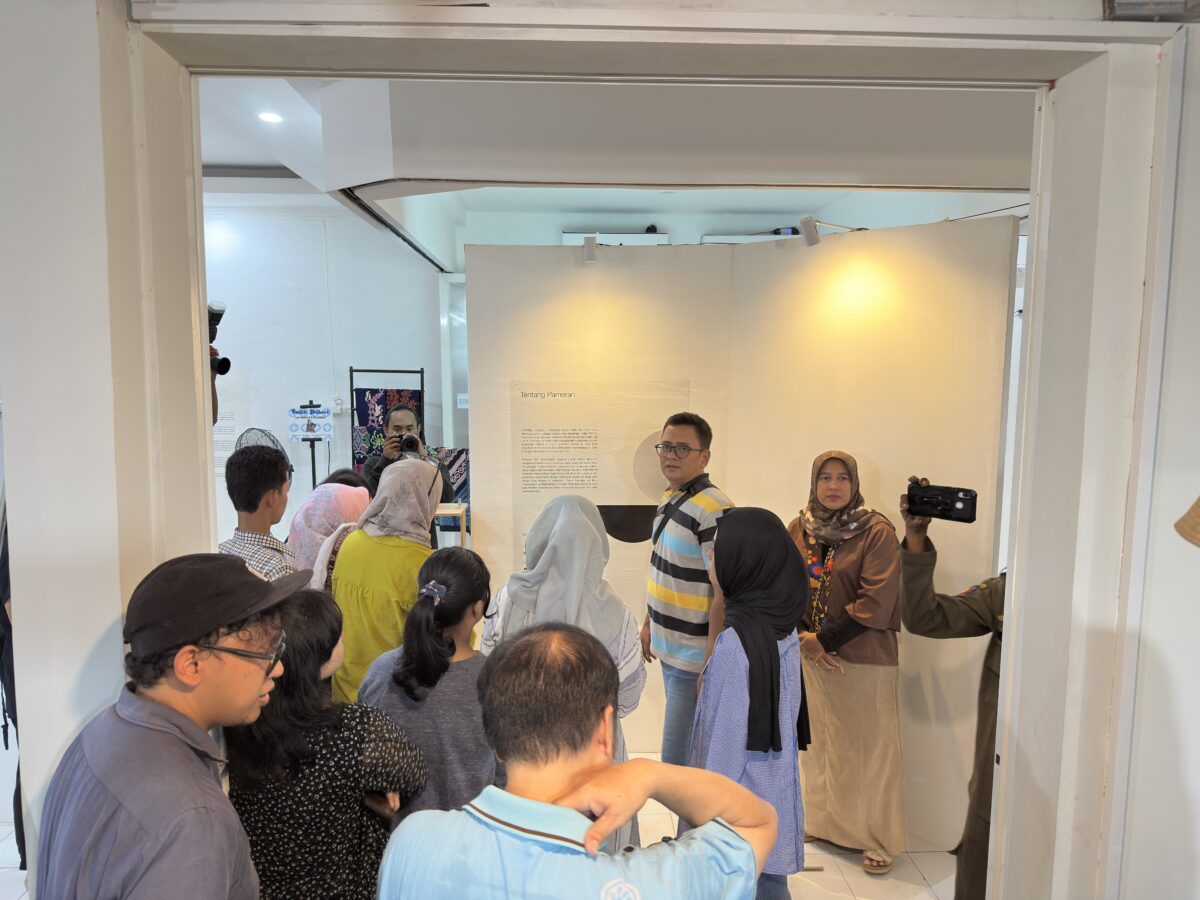
| 13:30–14:00 | Building & Exhibition Tour Sarah Inassari (Architact, Operation for Habitat Studies) Lutfiah Setyo (Researcher, Operation for Habitat Studies) |
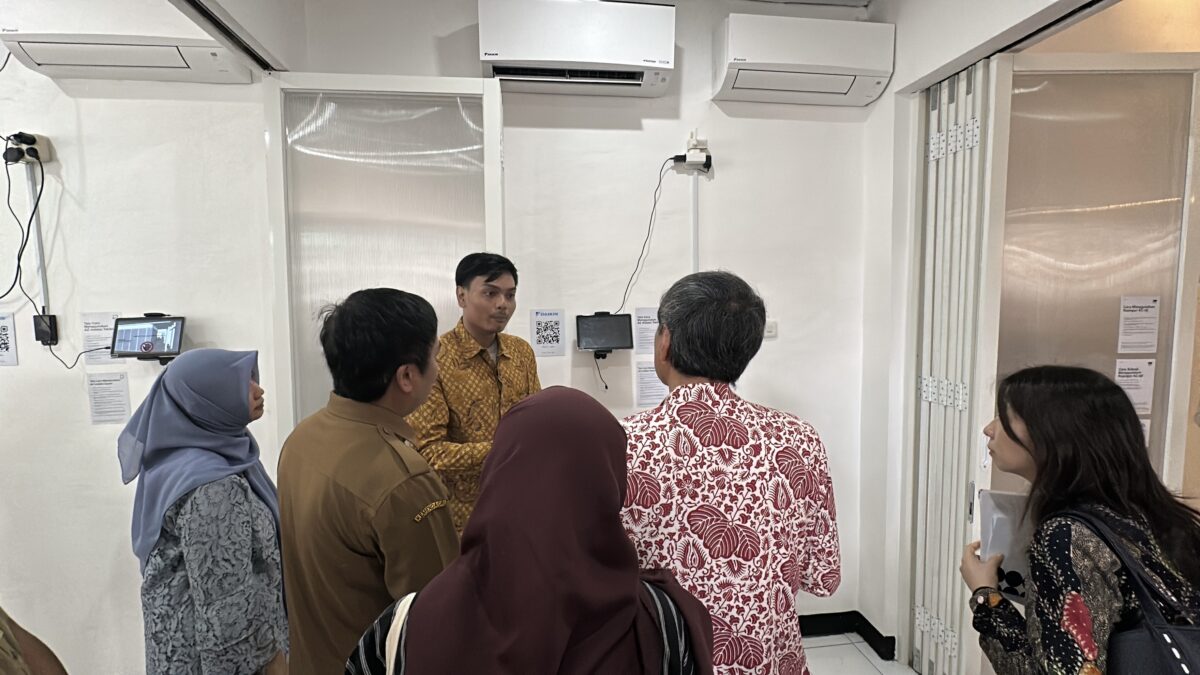
| 14:00-14:15 | Cooling system briefing Anugrah Yulianto (Researcher, Operation for Habitat Studies) |
| 14:15-15:00 | Discussions |
| 15:00-15:10 | Closing Remarks Bintang Putra (Director, Operation for Habitat Studies) |
DAY 2 Dec. 9 (Tue.)
Balai Opening, Municipal Government Session
Inauguration Session 1
Guest & Participants: Municipal Government Representatives, Community Leaders, Japanese Government Representative, Project Partners
Time Schedule:
| 10:00-10:05 | Opening Remarks Anugrah Yulianto (Researcher, Operation for Habitat Studies) |
| 10:05-10:20 | Welcome Ceremony “Remo Dance by Ketandan Youth” |
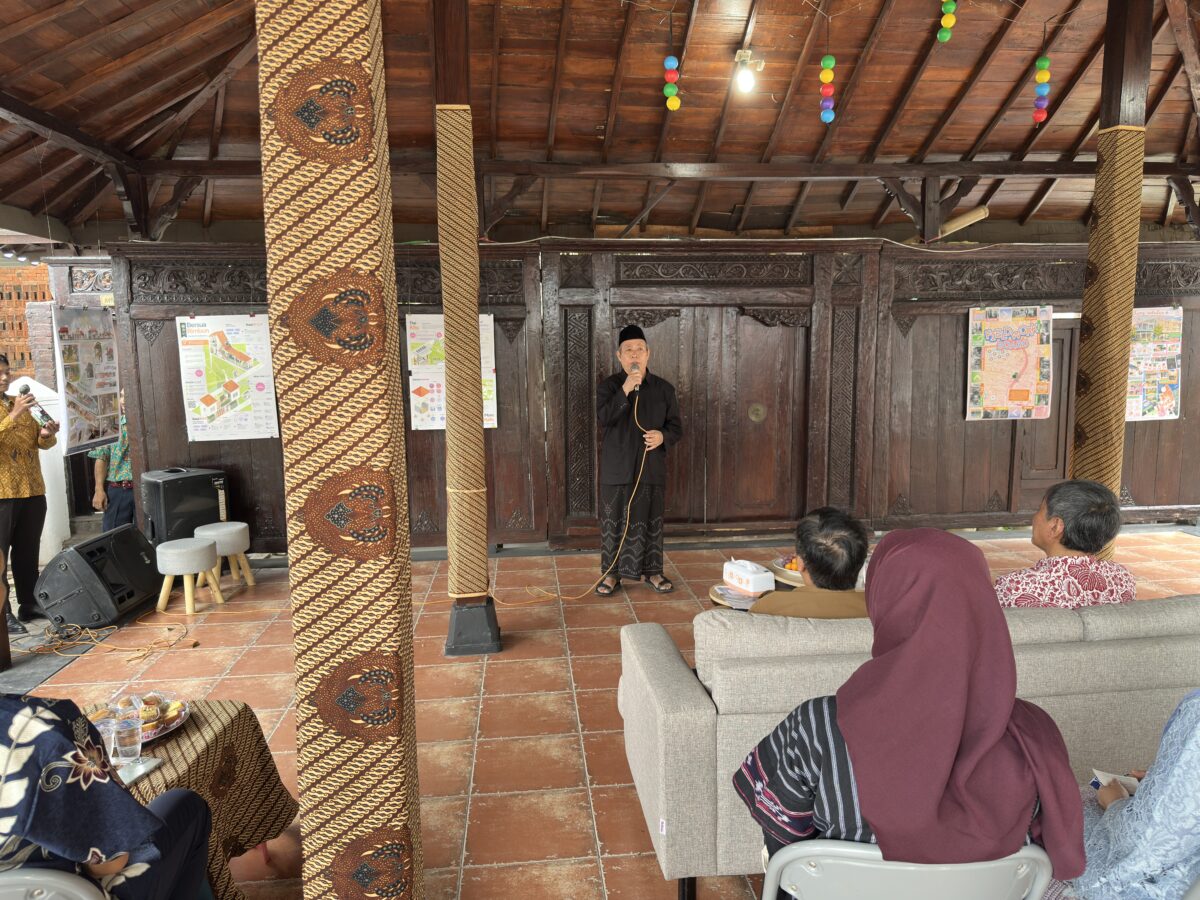
| 10:20-10:30 | Prayers by local Muslim leader |
| 10:30-10:50 | Welcome Speech Fatchur Rahman (Head of RW Ketandan) Retno Hastijanti (Dean of Faculty of Engineering, UNTAG Surabaya) |
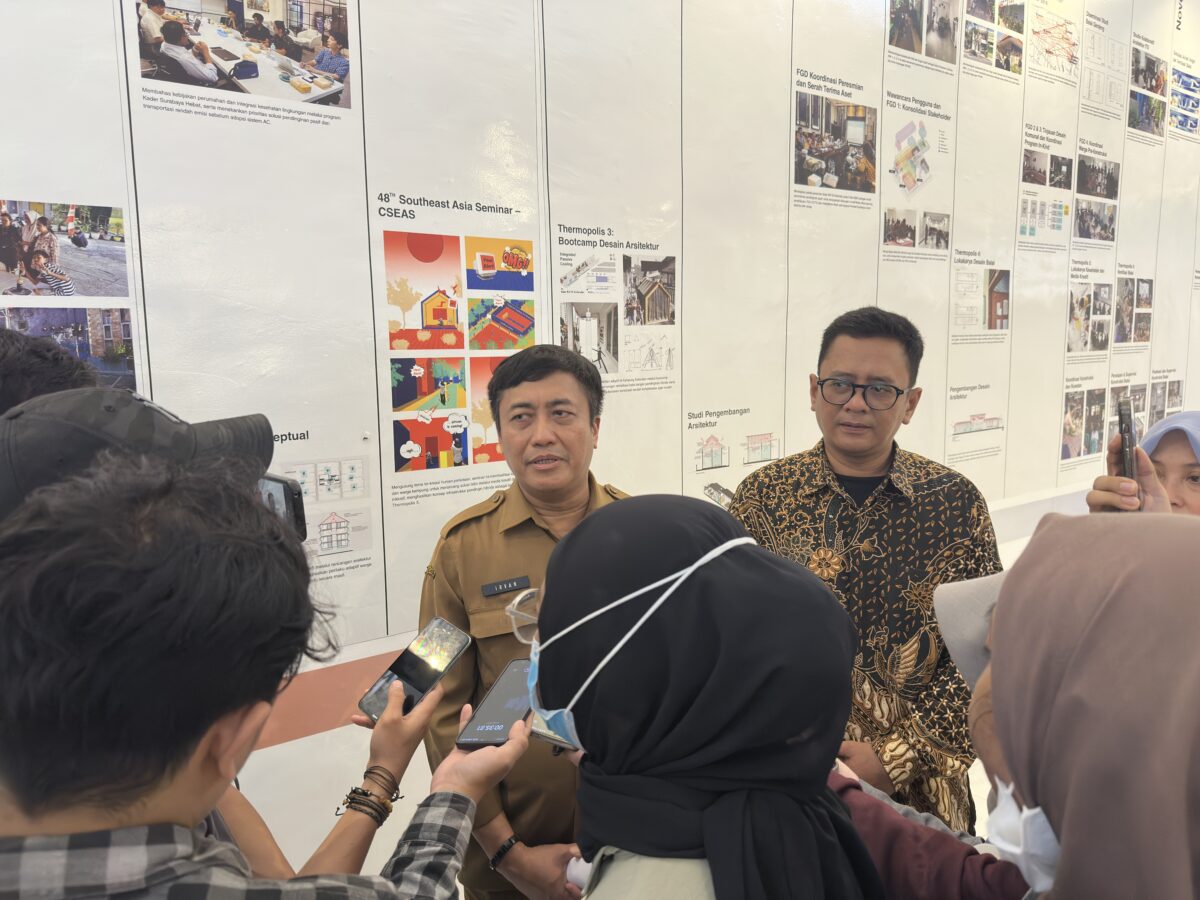
| 10:50-11:10 | Inaugural Speech Irvan Wahyudrajat (Acting Mayor of Surabaya/ Head of the Environmental Research and Development Agency, Surabaya City Government) |
| 11:10-11:40 | Guided Building Tour Sarah Inassari (Architect, Operation for Habitat Studies) Anugrah Yulianto (Researcher, Operation for Habitat Studies) |
| 11:40-12:30 | Lunch & Discussions |
DAY 3 Dec. 10 (Wed.)
Balai Opening, Provincial & Regional Government Session
Inauguration Session 2
Guest & Participants: Provincial Government, Japanese Government Representative, Academic & Corporate Partners
Time Schedule:
| 12:00-13:00 | Lunch Reception |
| 13:00-13:10 | Welcome Speech Nia Kurniati (Head of RW Ketandan) |
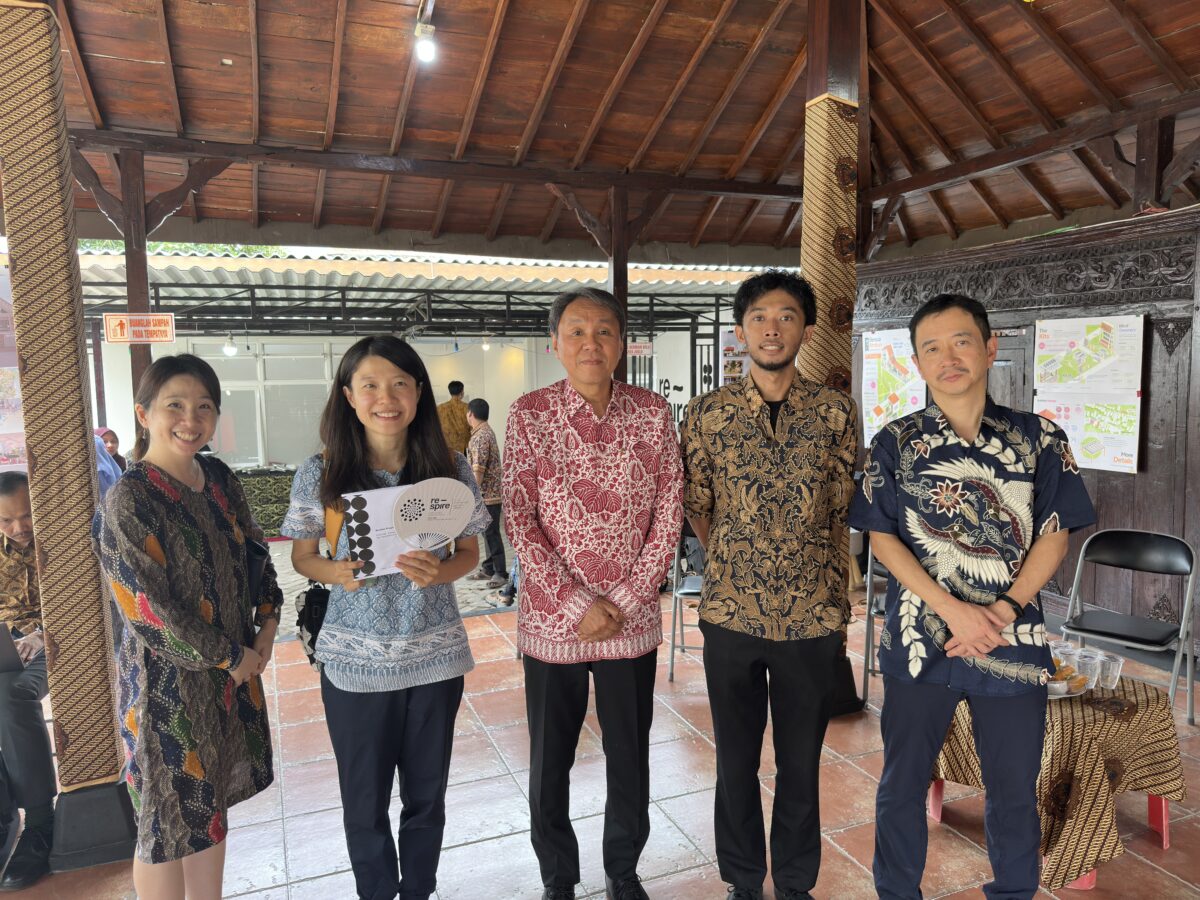
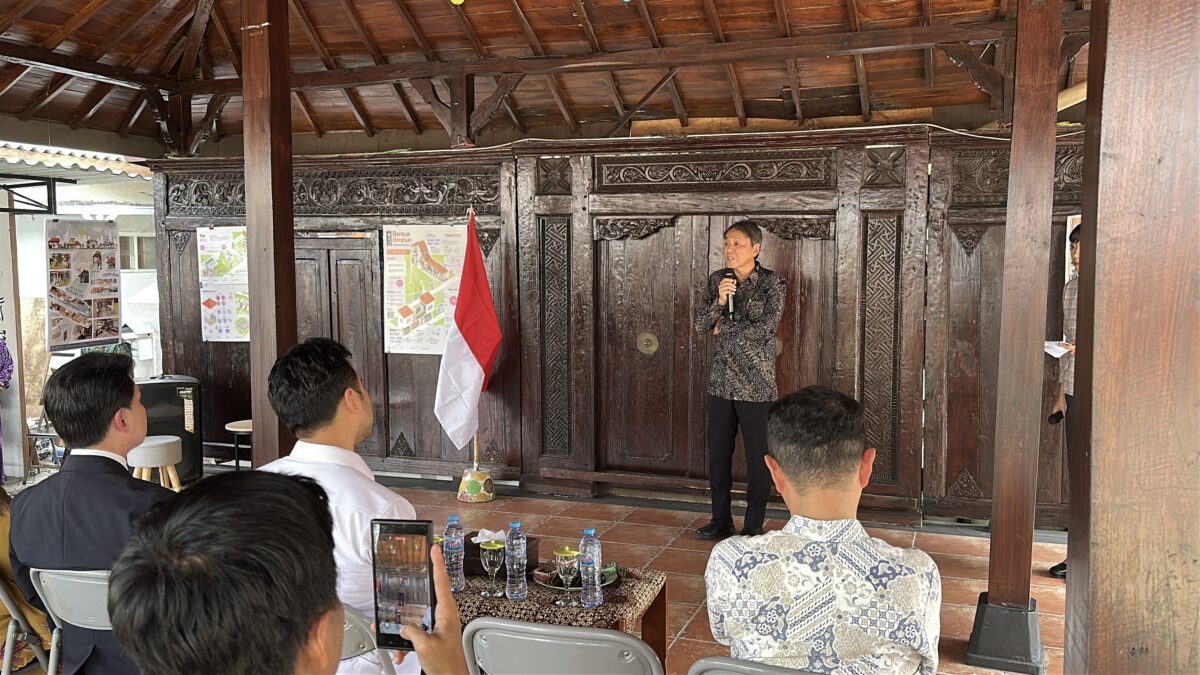
| 13:10-13:30 | Key Speeches Masaaki Okamoto(Vice Director, CSEAS, Kyoto University) Susumu Takonai(Consul General, Consulate-General of Japan in Surabaya) Budi Mulia(Director of PT Daikin Industries Indonesia) |
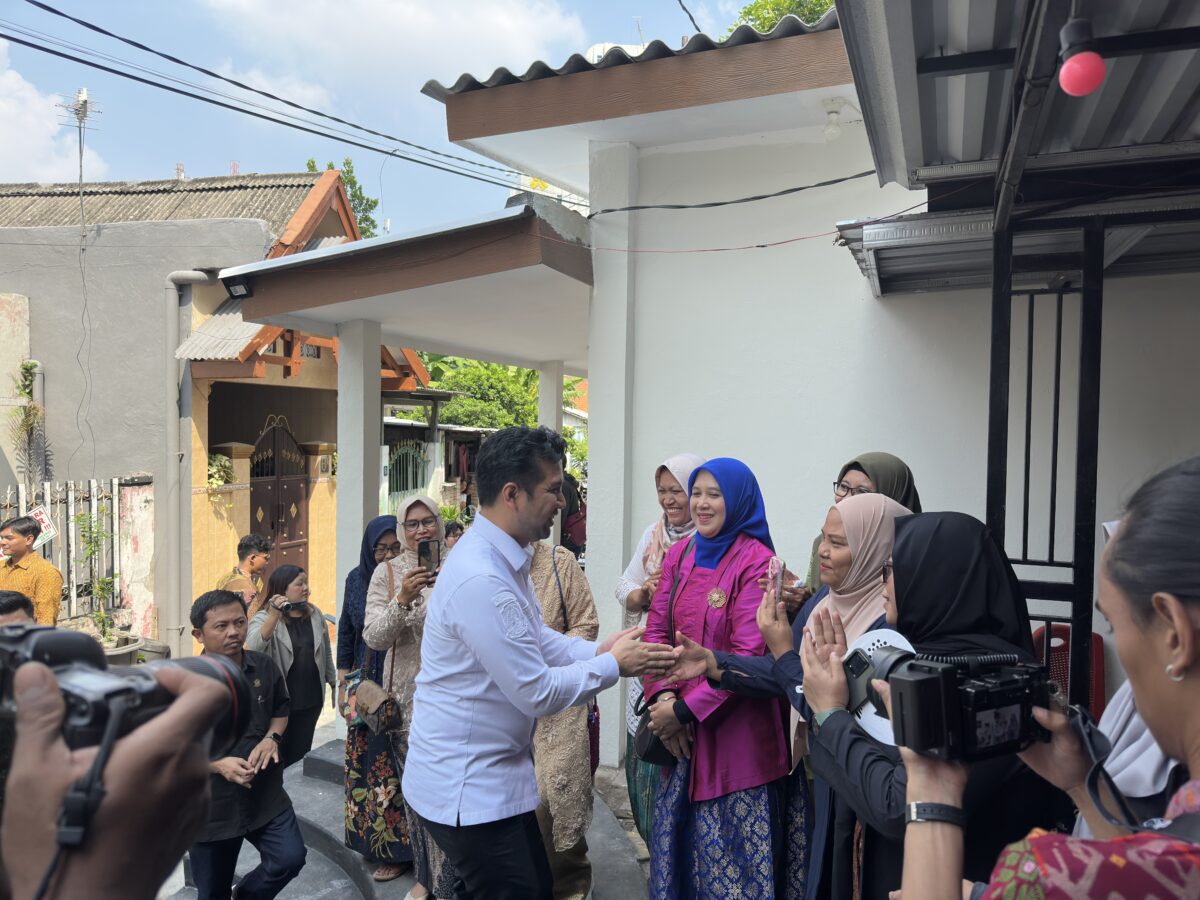
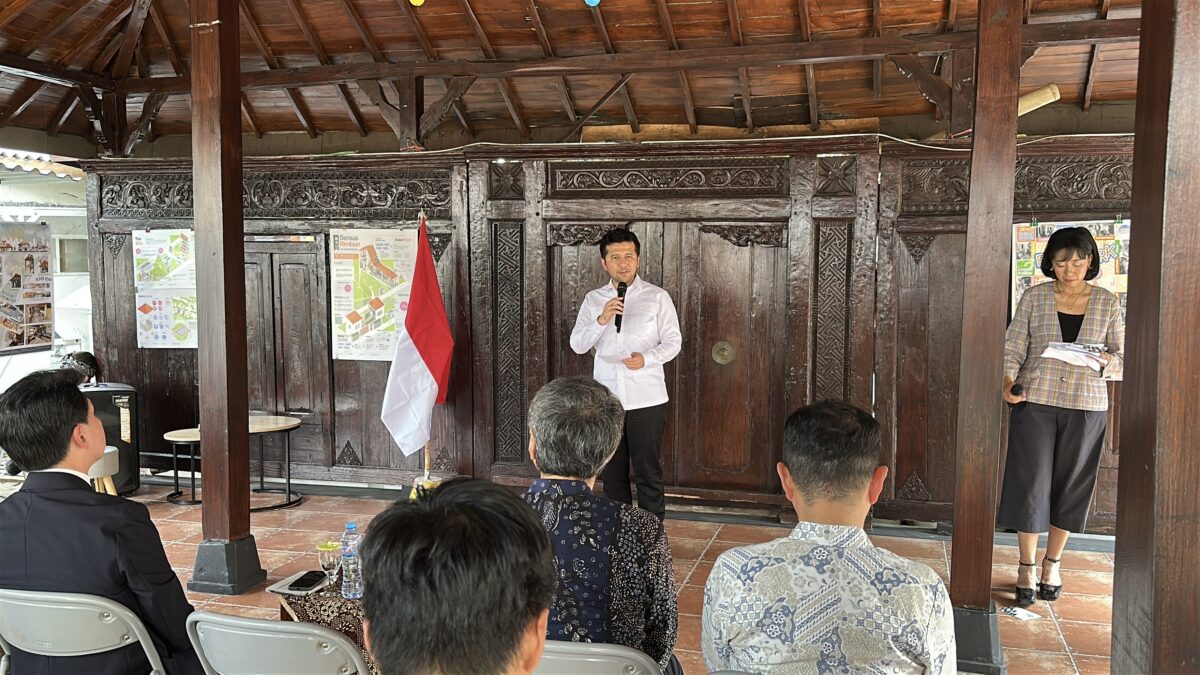
| 13:30-13:45 | Inaugural Speech Emil Dardak(Vice Governor of East Java) |
| 13:45-13:55 | Prayers by local Muslim leader |
| 13:55-14:25 | Guided Building Tour Sarah Inassari (Architect, Operation for Habitat Studies) Anugrah Yulianto (Researcher, Operation for Habitat Studies) |
| 14:25-14:35 | Closing Ceremonial Dance By Ketandan Youth |
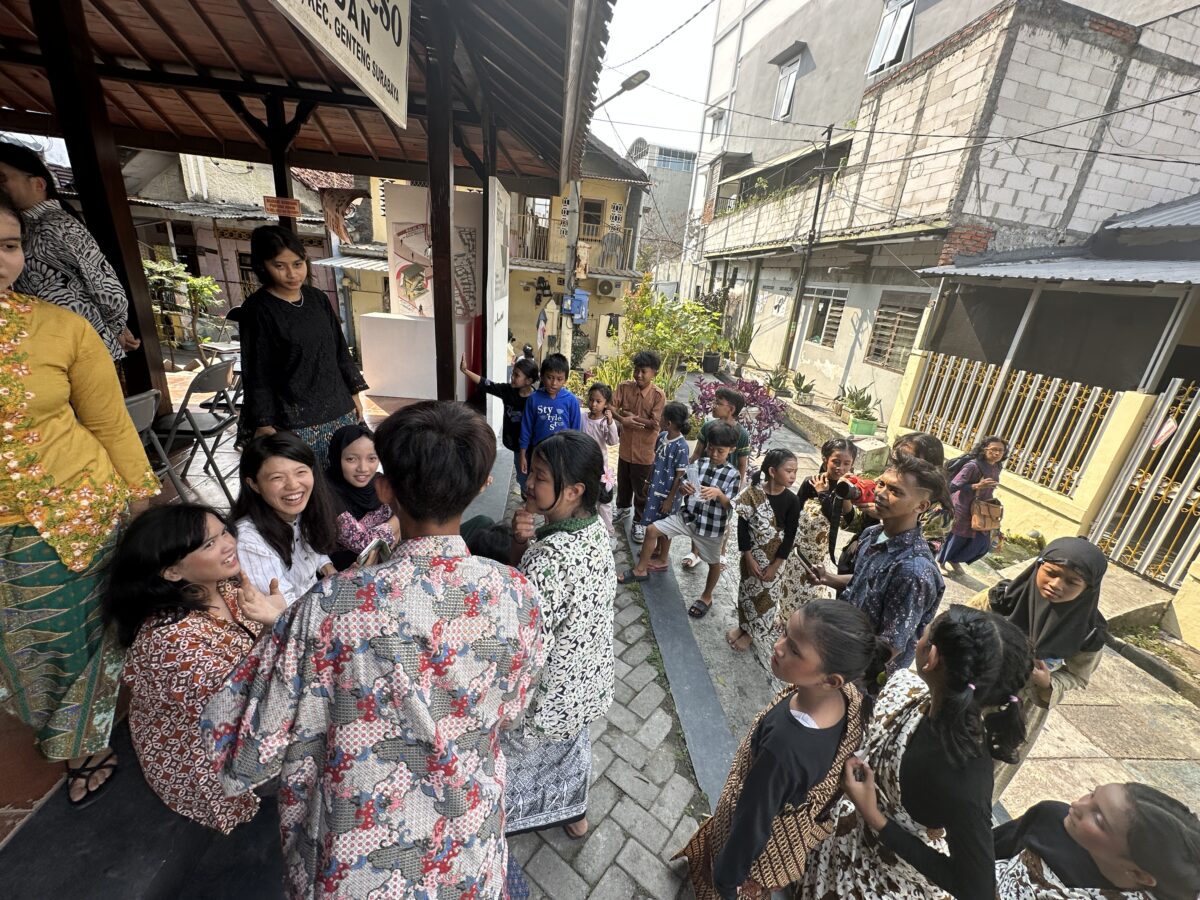
DAY 4 Dec. 11 (Thu.)
Exhibition
Guest & Participants: Public
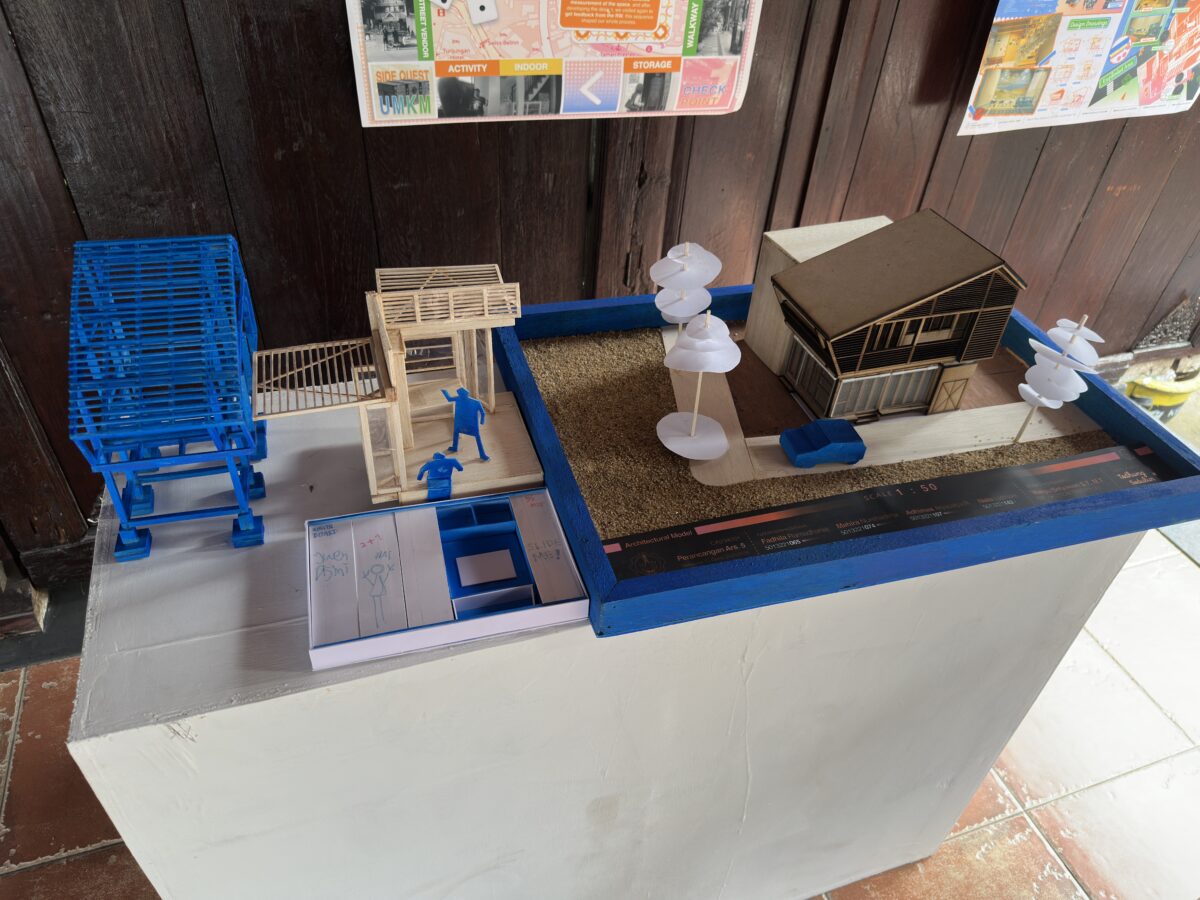
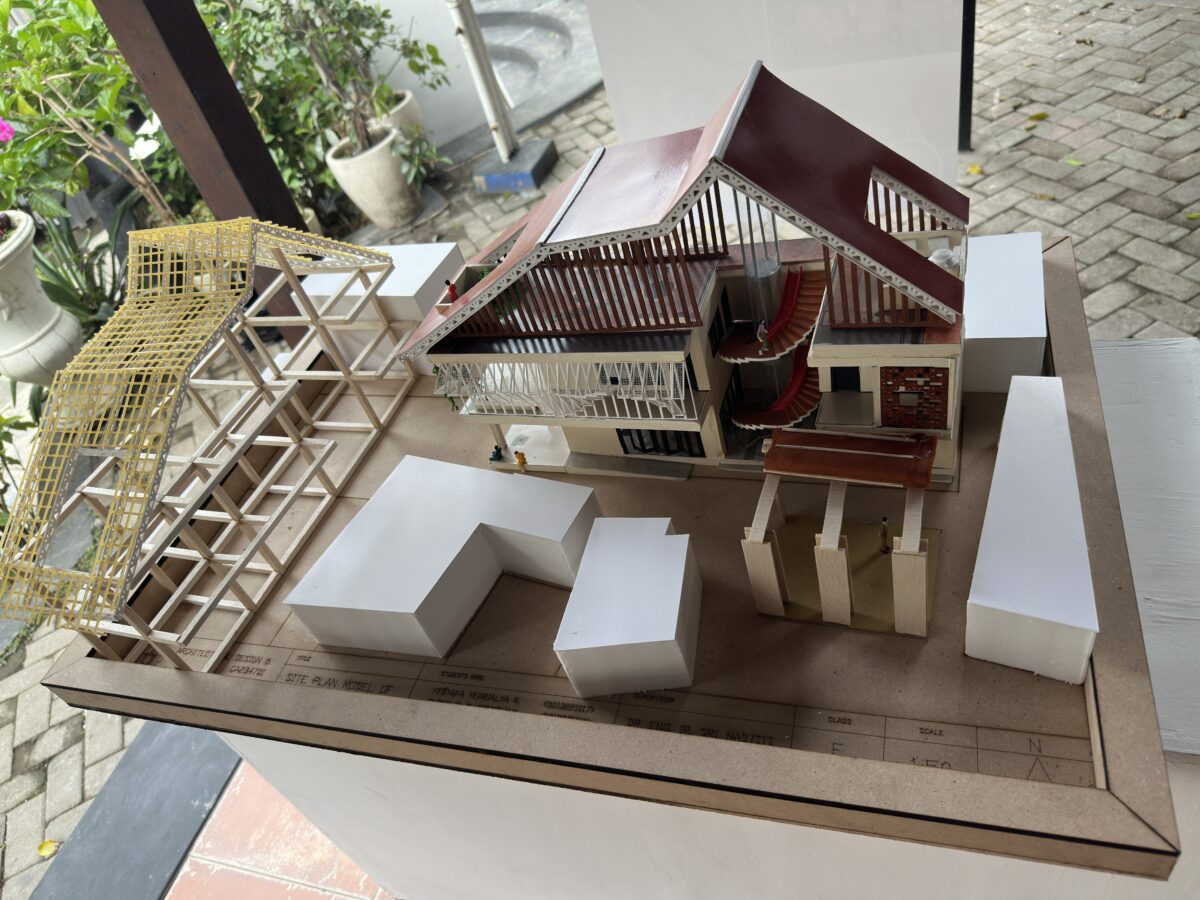
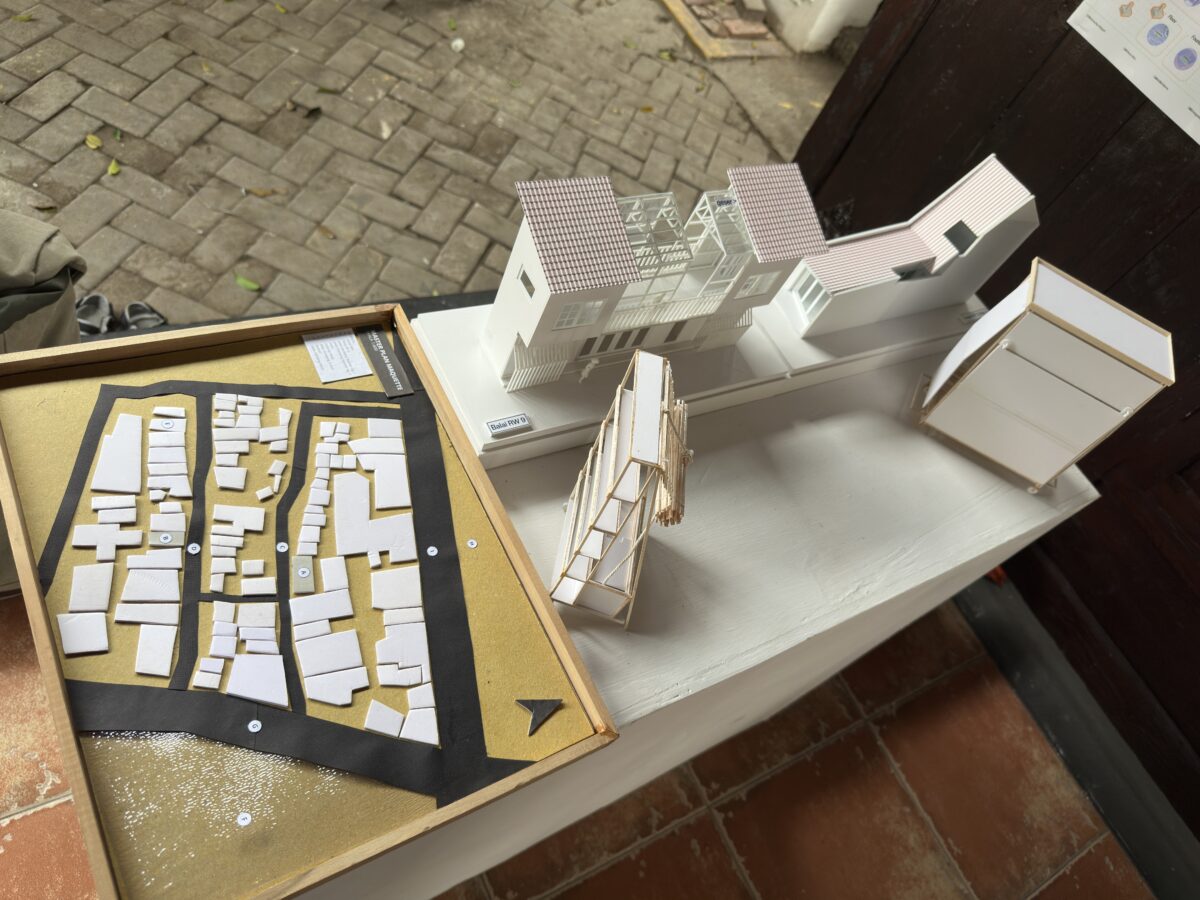
| Balai Exhibition |
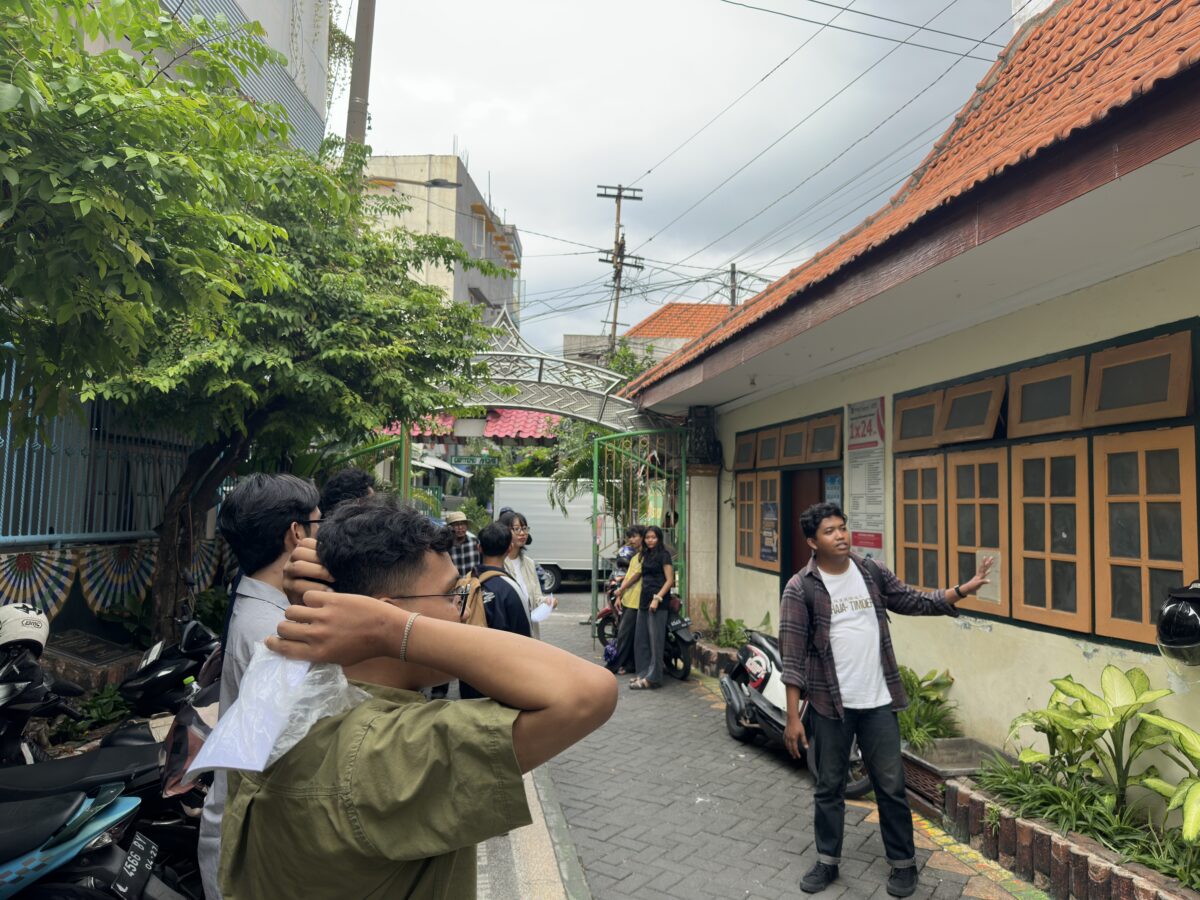
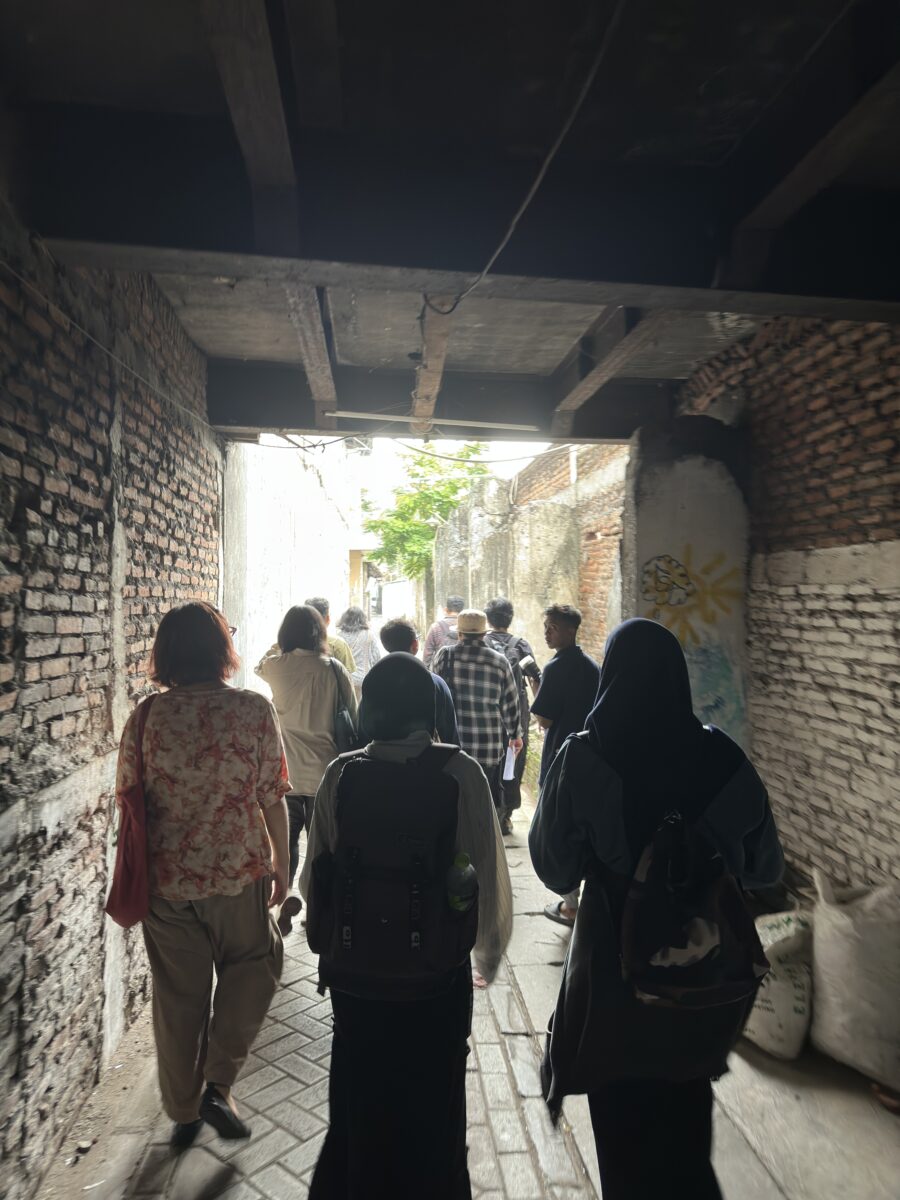
| Walking Tour |
DAY 5 Dec. 12 (Fri.)
Discussion on Balai Future Planning
Guest & Participants: Public, Local Government & Community representatives
| Balai Design Presentation by ITS Students |
| Building & Curatorial Tour |
| Community Discussion |
DAY 6 Dec. 13 (Sat.)
Exhibition & Events
Guest & Participants: Public
| Balai Exhibition |
| Architect Talk & Seminar |
| Neighbor’s event; Community Gathering |
DAY 7 Dec. 14 (Sun.)
Closing
Guest & Participants: Public
| Exhibition Closing |
| Neighbor’s event; Film Screening |
― MEDIA
The event was widely covered by local media.
■ Major Media
- Antara News (East Java)
UNTAG and Kyoto University Develop a Passive Cooling System for Balai RW Ketandan | 2025.12.12
East Java Vice Governor Praises Passive Cooling Innovation at Balai RW Ketandan| 2025.12.10 - JPNN (East Java)
Kyoto–UNTAG Surabaya Collaboration Introduces Passive Cooling Innovation at Balai RW Ketandan | 2025.12.10 - Surya.co.id / Tribunnews Network (Surabaya)
Balai RW 4 in Kampung Ketandan Becomes a Pilot Project for Energy-Efficient Architecture with a Japanese Concept | 2025.12.09 - VIVA (East Java)
UNTAG Surabaya and Kyoto University Introduce Passive Cooling Solutions in Kampung Ketandan | 2025.12.10
■ Regional & Local Media
- BeritaMetro.id
Daikin Renovates Balai Warga Kampung Ketandan as a Climate-Responsive Public Facility | 2025.12.14 - Harian Disway
“Respire Ngangin” Showcases Collaborative Innovation by UNTAG Surabaya through an Environmentally Friendly Building | 2025.12.10 - Harian Disway (AMP version)
“Respire Ngangin” Showcases Collaborative Innovation by UNTAG Surabaya through an Environmentally Friendly Building | 2025.12.10 - BeritaJatim
Balai RW in Ketandan, Surabaya, Now Cooler Thanks to Research by UNTAG and a Japanese University | 2025.12.10 - Harian Bhirawa
UNTAG Transforms Balai RW Ketandan into a Community Creativity Hub | 2025.12.09 - Memorandum
Energy- and Environment-Friendly Balai RW 04 Ketandan Is Inaugurated as a Pilot Project | 2025.12.09 - Lentera
CSEAS–Daikin–UNTAG Surabaya–OHS Collaboration Develops a Green Pilot Project at Balai RW Ketandan | 2025.12.09 - Ngopi Bareng
Balai RW Ketandan Renovated to Respond to the Climate Crisis | 2025.12.10
■ Partner official communication
- Daikin Indonesia
Daikin Renovates Balai Warga Kampung Ketandan as a Pilot Public Facility for Heat Mitigation and Community Activities | 2025.12.09 - UNTAG Surabaya
UNTAG Surabaya Supports the Renovation of Balai RW Ketandan as a Community-Based Climate Initiative | 2025.12.09
Balai RW Ketandan as a Model for Collaborative and Environmentally Friendly Public Space Development | 2025.12.10
― REPORT
Reflections on the Balai Renovation Commemoration: “Respiring” Urban Space
As part of the academia-industry collaborative project, the CSEAS and DAIKIN Joint Research Initiative, a commemorative ceremony and exhibition week marking the renovation of the Balai of RW 04 were held from December 8 to 14, 2025, in Kampung Ketandan, Genteng District, Surabaya City, East Java Province, Indonesia. The balai serves as a community hall and gathering space. This initiative aims to explore new forms of cooling that are rooted in local culture and everyday practices within urban environments increasingly affected by climate change, through research, implementation, and dialogue.
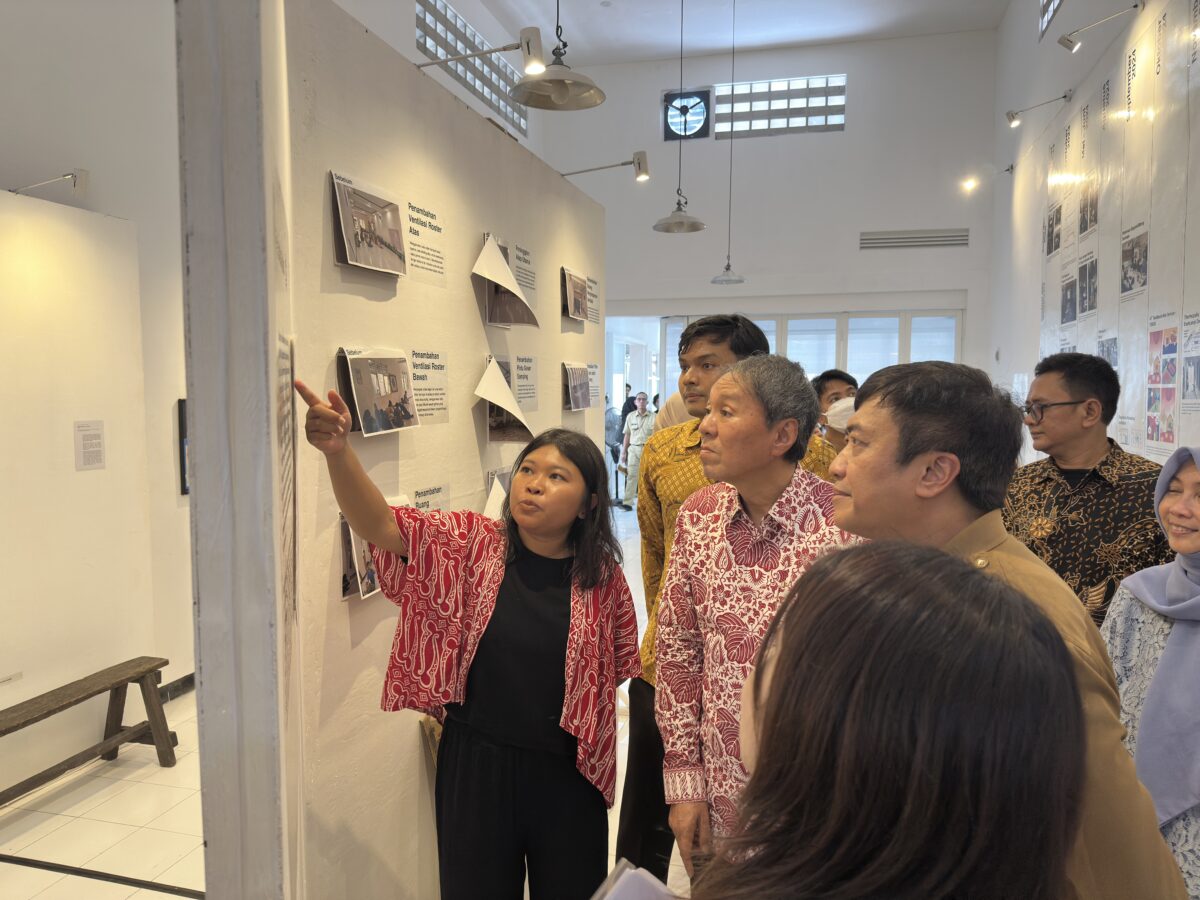
During the period, a ceremony celebrating the renovation of the balai was held, attended by a wide range of stakeholders including the Vice Governor of East Java Province, the Acting Mayor of Surabaya, the Consul General of Japan in Surabaya, the Head of Laboratory Development and Innovation Team at the Building Science Engineering Center of Ministry of Public Works, representatives of Daikin Indonesia, as well as university members, government officials, local companies, and community residents. Following the ceremony, explanations were given regarding the renovation process and research background. Participants toured the renovated balai and exchanged views on responses to climate change and the future of public space and cooling technologies.
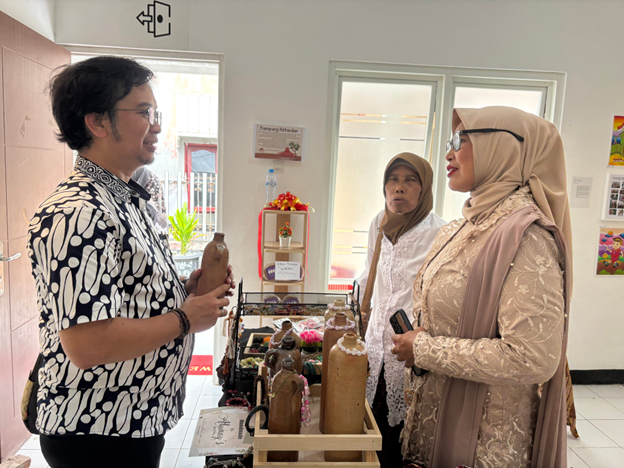
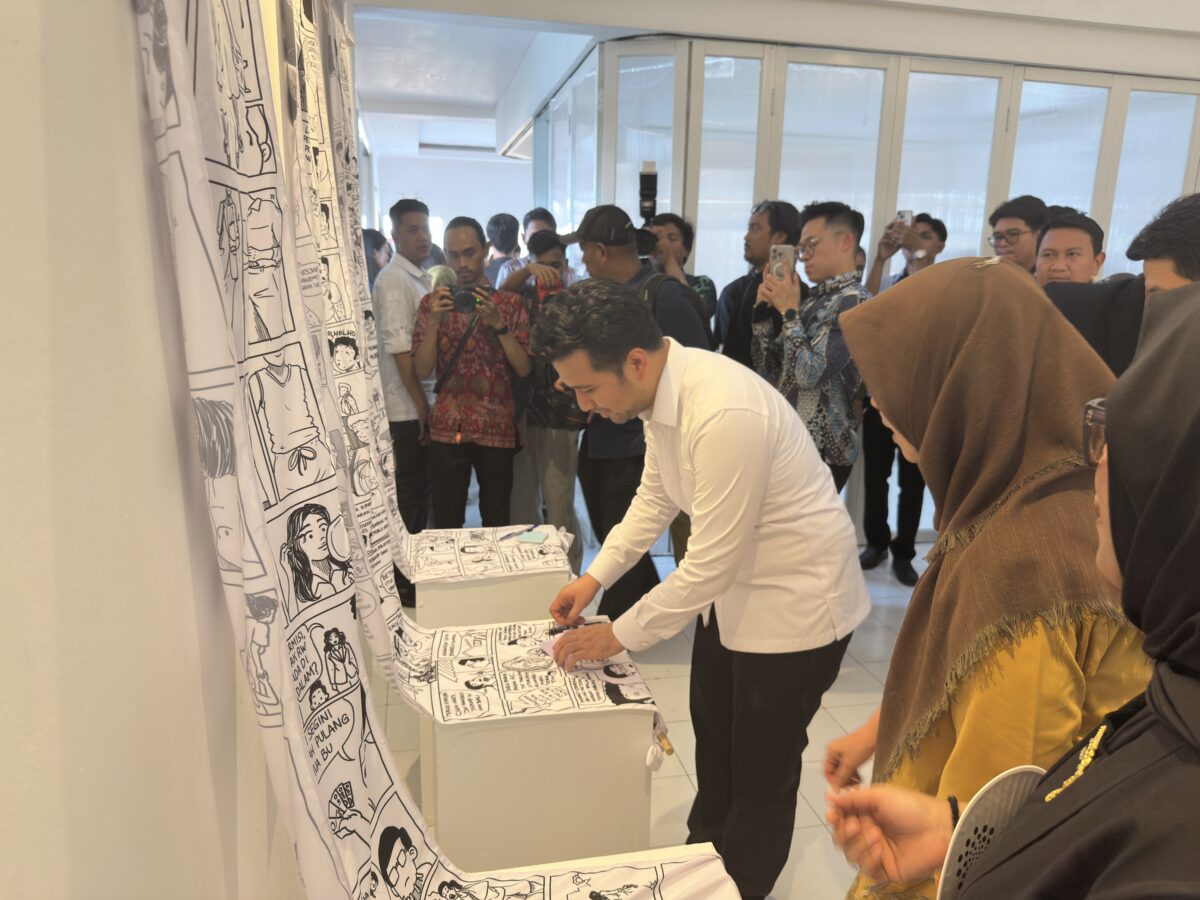
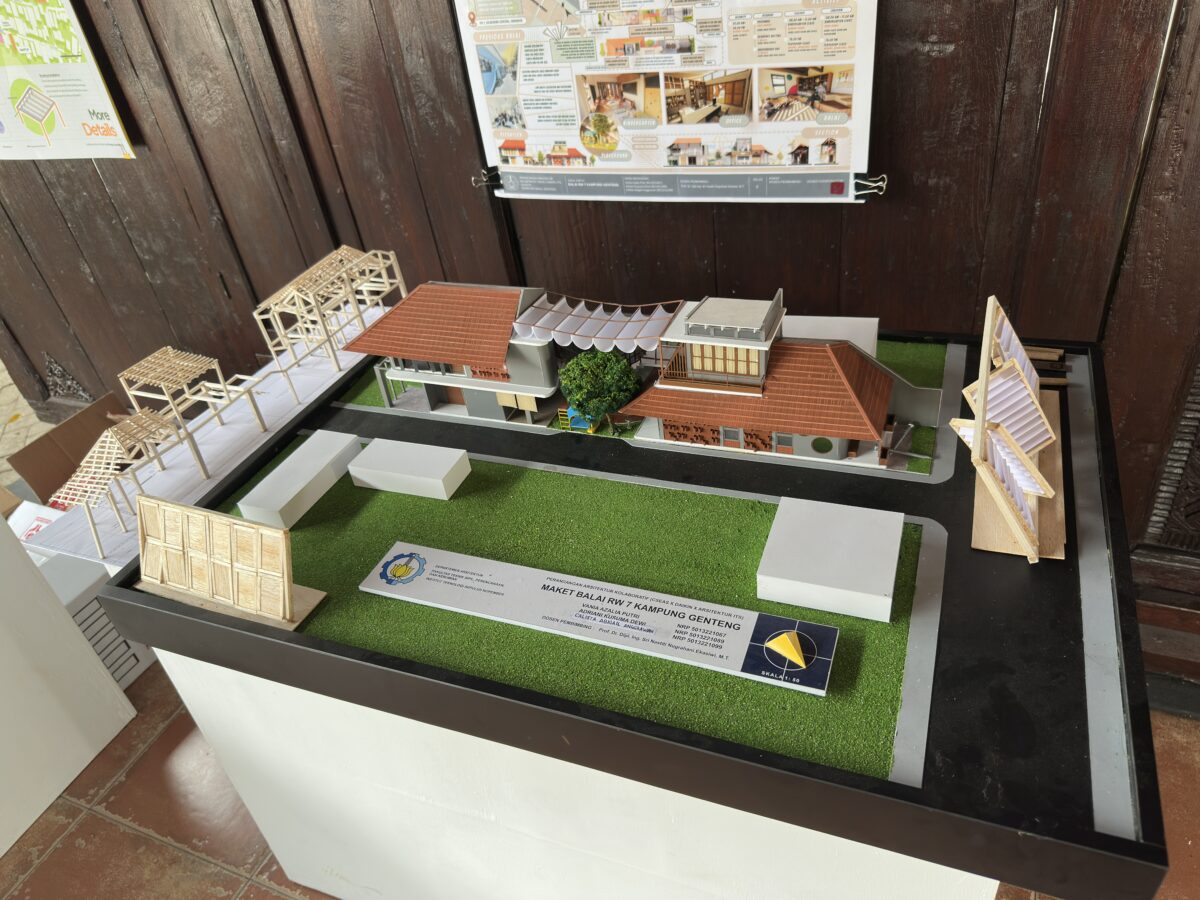
One of the key components of this event was the exhibition organized by Operations for Habitat Studies titled “RESPIRE Ngangin: Rethinking the Balai and Urban Climate,” held inside the renovated balai. This exhibition was positioned as an attempt to visualize and critically reflect on the collaborative process itself, involving residents, researchers, government actors, and private companies.
The central concern shared through the exhibition was how kampung kota, or urban villages, have responded to heat in the rapidly warming city of Surabaya, and what kinds of responses may be possible in the future. In kampung kota, where commercial and residential areas are closely interwoven, the impacts of the urban heat island effect are particularly intense. Residents have long coped with heat through various everyday practices, such as opening and closing windows and doors, arranging furniture, and spending time in alleys. However, as temperatures continue to rise, these practices alone are becoming increasingly insufficient.
The exhibition title “RESPIRE Ngangin” combines the word “respire,” meaning to breathe, with “ngangin,” a daily term used in East Java to describe letting wind pass through a space to cool the body. The exhibition catalog describes this concept as follows.
“RESPIRE shows that the balai breathes through the flow of air and human relationships, continuing to support the rhythms of everyday life while responding to urban climate change.”
Fithrotul Mumtaz of OHS, who served as curator of this exhibition, used the concept of “respire” to represent the process of research and practice itself. The stage of listening carefully to residents’ narratives, bodily sensations, and uses of space was likened to “tarik nafas,” breathing in. The process through which knowledge, analysis, design, and technology circulate back and forth and permeate the space was compared to “peredaran nafas,” the circulation of breath. Finally, the stage of responding to society through design, renovation, exhibition, and institutional arrangements was likened to “hembusan nafas,” breathing out. In this way, “RESPIRE Ngangin” was conceived not as a presentation of a finalized solution, but as a framework that continually asks how space can be understood and renewed through an ongoing process of breathing in, circulating, and breathing out.
Through repeated workshops, group discussions, and the exhibition production process carried out together with residents and stakeholders, the ways in which the balai has been understood and used became visible once again. The balai serves formal functions such as administrative procedures, meetings, health activities, and religious gatherings, while also functioning as a space for children’s play and learning, cultural activities, and cangkruk, a practice central to East Javanese culture in which people spend relaxed time together.
Each time we visited the balai, we heard the lively voices of young children, the laughter of junior high school students in the youth group being celebrated on their birthdays, and the endless conversations of women’s groups and residents. The exhibition also included recordings of these everyday sounds, and listening to them was deeply moving.
The exhibition further introduced the perspective of understanding the balai as a single tree, as a metaphor for its layered roles. In East Javanese kampung, the space under a tree is where people naturally gather, rest, talk, and stay close to one another. In the same way, the balai functions as a place where people can berteduh, meaning to take shelter from heat and rain, while also being a space connected to resident organizations, administrative services, health, education, and cultural activities.
In Indonesia, national level initiatives are underway to promote passive cooling through natural ventilation in kampung kota. While acknowledging the importance of these efforts, the exhibition also addressed the tensions that arise between policy ideals and everyday realities. As air conditioner use gradually increases even in kampung areas, the shared question becomes how passive design and active cooling can be combined while minimizing contradictions.
In this project, we worked closely with residents to carefully articulate their sensory knowledge of the balai and their understanding of the microclimate, translating this knowledge into architectural design. As a result, a hybrid space was realized that combines passive cooling through natural ventilation and architectural strategies with energy efficient active cooling.
For passive cooling, entrances and windows were repositioned to create clear airflow paths through the interior. Drawing inspiration from traditional Javanese joglo architecture, the roof height was increased to allow hot air to rise, and various ventilation openings were added. For active cooling, two small rooms were created inside the balai using movable partition walls, and Daikin air conditioning units were installed. These rooms can be combined into a larger space to accommodate community activities. During extreme heat, this space is also envisioned as a temporary community cooling hub. In addition, as part of a study to directly observe differences in energy consumption between inverter and non inverter air conditioners, both types were installed for a limited period and operated alternately to collect data for future research and development.
When introducing air conditioning, operational methods and cost sharing were key considerations. With future application to other areas in mind, the project examined how to design the relationship between installation, use, and cost responsibility. At the Ketandan balai, Daikin covered the cost of equipment, installation, and maintenance, while electricity costs are paid from pay for use revenue generated by air conditioner use. The remaining revenue after electricity costs is discussed annually by OHS and residents and used for resident welfare and the operation and improvement of the balai beyond air conditioning. In collaboration with myECO, an environmental and energy startup based in Malang, operational designs were also introduced to naturally encourage energy efficient use. By creating a system in which electricity costs vary depending on temperature settings and the use of movable partitions, users can experientially understand the relationship between cooling practices and energy consumption. This represents an effort to connect technology with society rather than simply introducing devices.
Nia Kurniati, the wife of the neighborhood head, shared her early impressions of using the air conditioned rooms. She noted that having a cool space for children’s learning and health checks has helped children participate more calmly. During the ceremony and exhibition period, many residents were also seen happily using the air conditioned spaces while interacting with a newly introduced application. In these spaces, cangkruk naturally emerged, with people of all ages and genders gathering, relaxing on the floor, and engaging in conversation. Seeing this, I felt that the air conditioning introduced through careful discussion with residents has further strengthened the balai’s function as a tree, drawing people in and supporting them.
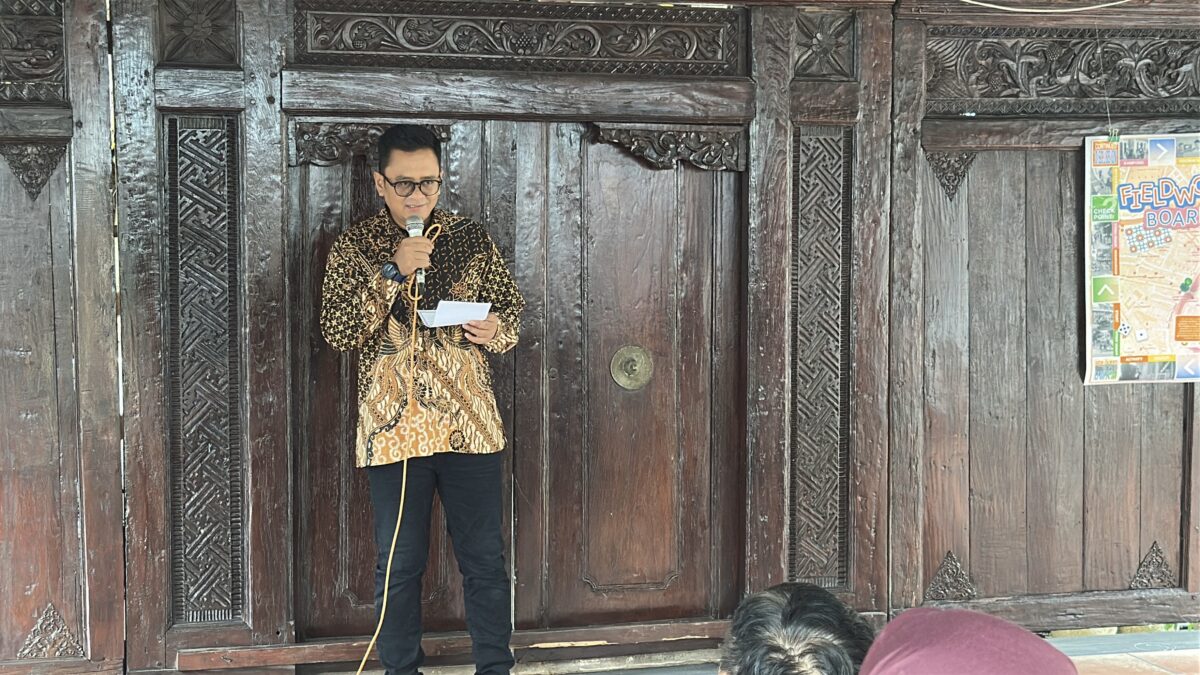
At the renovation ceremony, Irvan Wahyudrajat, Head of the Development Planning and Research Agency and Acting Mayor of Surabaya, described the balai as an excellent example of an energy efficient public space responding to climate change and a potential role model for Surabaya’s 1,361 neighborhood associations. Emil Dardak, Vice Governor of East Java Province, highlighted not only the improved thermal comfort but also the expanded possibilities for diverse resident driven uses, including local tourism and micro and small enterprises. Susumu Takonai, Consul General of Japan in Surabaya, praised the project as an achievement made possible through collaboration among academic research, private companies, government, and local communities, describing it as a new form of international cooperation addressing climate change from the grassroots level.
The exhibition and renovation ceremony were not only an occasion to celebrate a completed building, but also a space for sharing an ongoing process, based on the premise that practices surrounding the balai will continue to evolve. The balai is being reimagined as a hub for administrative services, cultural activities, exhibitions, and local economic activity, as well as the smallest central unit of urban infrastructure responding to climate change. In the face of accelerating climate change and urban heat island effects, this initiative seeks to explore what kinds of responses are possible from the scale of everyday communal spaces. Starting from Kampung Ketandan in Genteng District, Surabaya City, East Java Province, this project aims to become a starting point for expanding dialogue across East Java and beyond.
Written by Chika Yamada
― PHOTO GALLERY
DAY 1

DAY 2



DAY 3


DAY 4-7


Supported by:
Local companies
・myECO (Energy IoT, Environmental data utilization)
・BeCool (Heat-shielding paint for roofs,
thermal environment measures)
・Surabaya Satu (Construction)
Local residents’ groups
・Pokdarwis Cak Markeso (Operation of regional tourism and cultural hubs)
・Karang Taruna Ketandan (Local youth group)
Art collectives
・HANDPROV (Mural and spatial visual production)
・ARTCHE MIST (Planning and operation of creative events)
・Krambel Art Media (Digital archive for art practice)
・Readesign Magazine (Art review magagine)
Contact:
OKAMOTO, Masaaki
YAMADA, Chika
cseasxdaikin-admin◎cseas.kyoto-u.ac.jp(◎⇒@)